The Complete Guide to HVAC for New Homeowners in Denver
Published: 2026-04-14 · By LocalFlow Heating and Cooling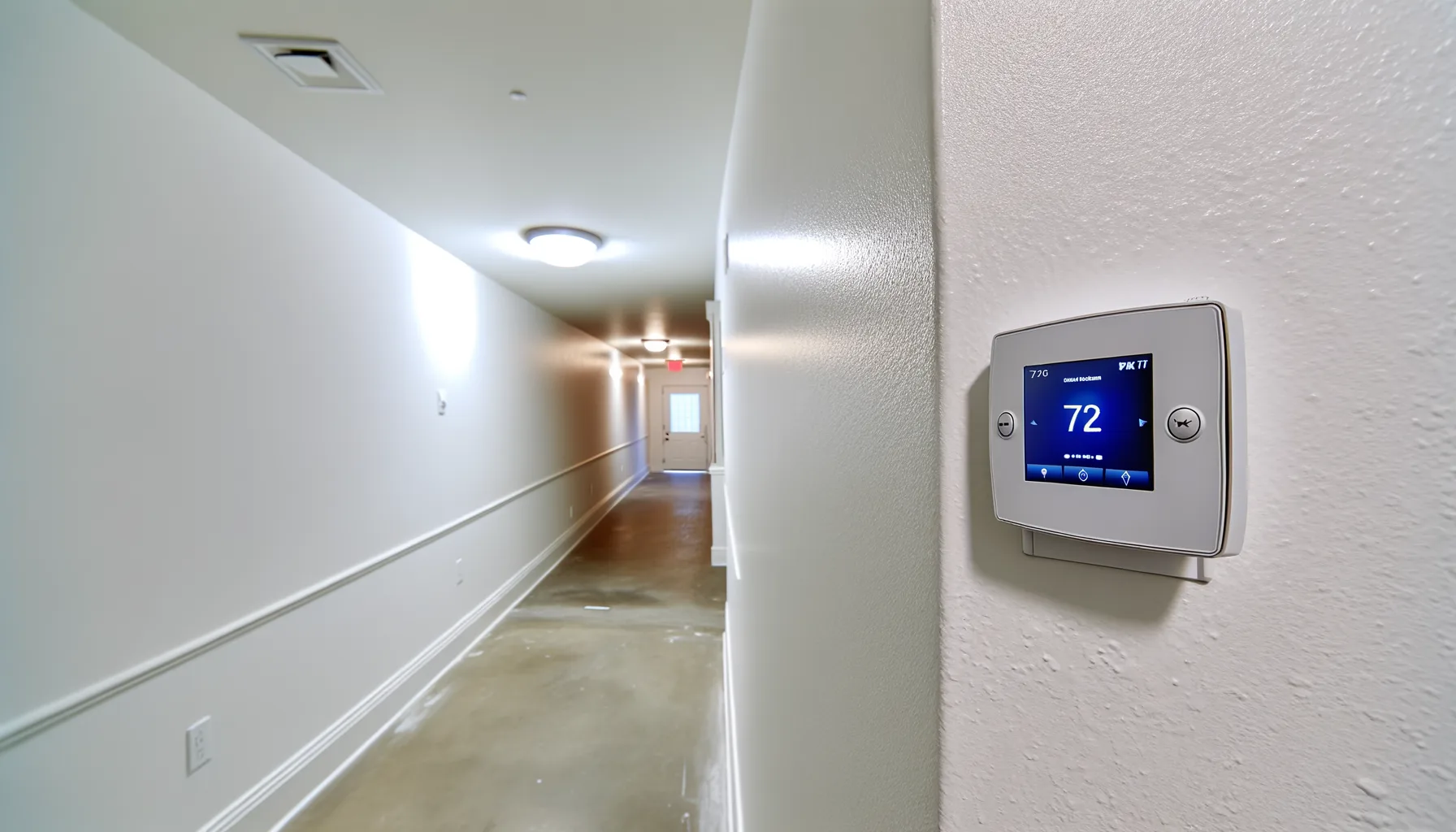
As a new homeowner in Denver, you’ve likely already experienced the whimsical shifts in weather that characterize our beloved Mile High City—from unexpected spring snowstorms to swelteringly hot summer days. With such rapid temperature fluctuations, having a reliable heating, ventilation, and air conditioning (HVAC) system is paramount. It’s not just a luxury; it’s a necessity for both comfort and safety. Proper HVAC installation and maintenance can significantly impact your quality of life, property value, and energy efficiency. In this comprehensive guide, we’ll explore essential HVAC considerations tailored to the unique challenges faced by Denver homeowners.
Why This Matters for Denver Homeowners
The stark reality for Denver homeowners is that our climate is as unpredictable as it is beautiful. The quick temperature swings can lead to not only discomfort but can also put undue stress on HVAC systems that weren't properly designed for our specific conditions. Many houses in the Denver area are built on expansive clay soils, which can severely affect the stability of your HVAC system if proper drainage considerations are not made. Additionally, spring's freeze-thaw cycles wreak havoc on structures, pushing homeowners to keep a close eye on their heating and cooling systems.
Inadequate HVAC attention can also impact indoor air quality, which is crucial to the health and well-being of your family, especially with seasonal pollen or dust storms. A breakdown during the hottest day of summer or coldest night of winter could become a nightmare scenario that you want to avoid at all costs.
Understanding HVAC infrastructure is important not just for comfort but becoming an informed homeowner who prioritizes systems designed for our local climate conditions. Let’s dive into some actionable HVAC tips to set your home up for success.
Expert Solutions & Actionable Tips
1. Understand Your System
Knowing what kind of HVAC system you have is your first step in maintaining it effectively. Many older Denver homes use swamp coolers or central AC, while newer constructions often have energy-efficient systems. Familiarize yourself with the specifics of your system, including manufacturer recommendations. Regularly check the filters—this simple step can cost just $15-$30 each, but proper filter maintenance can save you up to 15% on your energy bills over time.
2. Invest in Quality Insulation
Proper insulation is vital in our climate where we experience drastic temperature changes. Investing in high-quality insulation in attics and walls can keep your home comfortable year-round. Installation costs can range from $1 to $3 per square foot, but this investment can lead to significant energy savings as it reduces the workload on your HVAC system.
3. Professional HVAC Maintenance
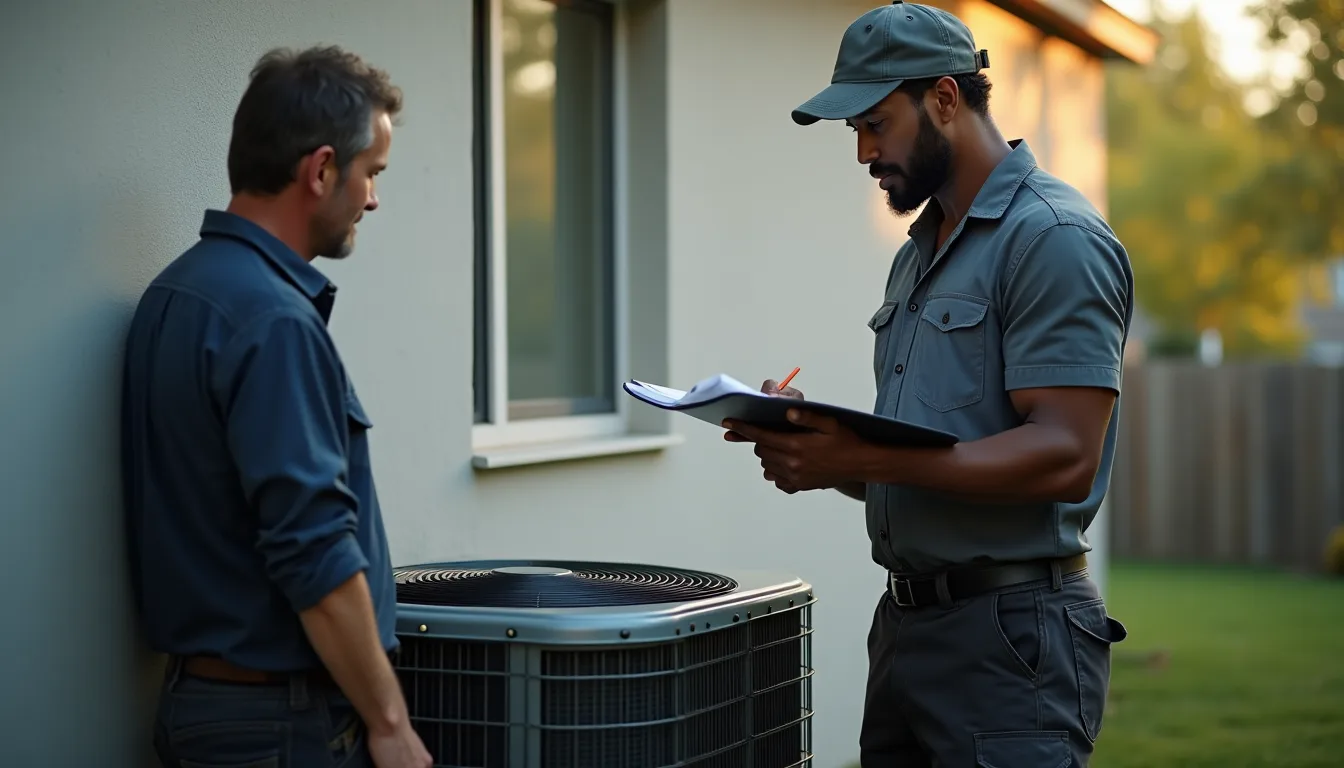
It’s recommended to schedule professional HVAC maintenance at least once a year. A routine service can help identify problems before they escalate, often saving you thousands in repairs or replacements. Typical maintenance visits range from $100 to $200, which can offer peace of mind as you navigate our unpredictable weather.
4. Be Aware of Local Energy Codes
Denver has specific energy codes that often require compliance for HVAC systems, particularly during renovations. Understanding these regulations can save you time and prevent costly fines. Consulting with a local HVAC professional who knows these codes is essential and could save you a lot of headaches as you navigate home improvements.
5. Install a Programmable Thermostat
A smart thermostat allows you to program temperature settings to match your lifestyle, which significantly reduces energy costs. Costs generally run between $100 and $250 for a good model, but the energy savings can offset the purchase cost in a short time, especially in fluctuating seasons.
6. Plan for Seasonal Changes
In a city like Denver where winter and summer are both extreme, planning for seasonal changes is critical. Make adjustments to your HVAC settings as temperatures shift, and ensure you're equipped for heavy snowfall or hail storms. Assessing your property for drainage and roof integrity might also be something to consider, which can prevent HVAC system disruptions.
Denver Climate & Local Context
Denver’s unique climate requires homeowners to approach HVAC planning with serious consideration. With rapid temperature changes, heavy snowfall, and potential hail storms, it’s essential to have a system that can withstand these challenges. Many homes built on expansive clay soils can face structural issues that can affect HVAC performance. Drainage systems play a critical role and must be regularly assessed, especially in the spring during thawing seasons when expansive soils can shift. Furthermore, understanding the local codes surrounding HVAC installations can ensure compliance and longevity of your systems.
In the ever-changing weather of Denver, you must also consider how your design choices impact energy efficiency. With Denver’s typical freeze-thaw cycles, structural stress often leads to the need for homeowners to be vigilant about maintaining HVAC systems. Our local weather demands proactive engagement with heating and cooling systems to ensure they function correctly and efficiently.
When to Call a Professional
While DIY projects can be fulfilling, knowing when to engage a professional for HVAC services in Denver is crucial. A knowledgeable HVAC technician can address specialized installation requirements, particularly for homes that require unique drainage solutions due to soil conditions.
Consider opting for a professional if you notice any of the following red-flag scenarios:
- Unusual noises emanating from the HVAC unit.
- Inconsistent heating or cooling throughout your home.
- Increased energy bills without a change in usage.
- Leaking water from your units.
- Unpleasant odors when the system is running.
- Age of the system is over 10-15 years.
Being aware of these signs can save you money and prolong the life of your HVAC investments.
Frequently Asked Questions
What HVAC system types work best in Denver's climate?
Due to our varying climate, central heating and air conditioning systems are often recommended, as they're designed to efficiently manage temperature swings. Swamp coolers can also be effective in the dry months.
How often should I have my HVAC system serviced?
Ideally, you should have your HVAC system serviced at least once a year in Denver, particularly before peak seasons, to ensure everything is functioning optimally.
What should I do in case of an HVAC failure?
If your HVAC fails, first check your thermostat settings and power supply. If the issue persists, it's best to contact a professional to assess and rectify the problem.
Are there energy tax credits available for HVAC upgrades in Denver?
Yes, homeowners in Denver may qualify for federal tax credits for energy-efficient HVAC upgrades, so it’s always worth checking before making improvements.
Can LocalFlow Heating and Cooling help with HVAC installation?
Absolutely! LocalFlow Heating and Cooling specializes in the installation and maintenance of HVAC systems tailored specifically for Denver's unique local conditions.
Get Expert HVAC Service in Denver
Managing an HVAC system in Denver involves understanding the specific challenges of our weather and building conditions. LocalFlow Heating and Cooling is here to support you in navigating your HVAC needs. For personalized advice and reliable service, don’t hesitate to reach out at (720) 713-3532.
Your comfort is just a call away—let LocalFlow Heating and Cooling help you create a climate-controlled haven in your Denver home today!