How Denver Building Codes Affect Your HVAC Needs
Published: 2026-04-14 · By LocalFlow Heating and Cooling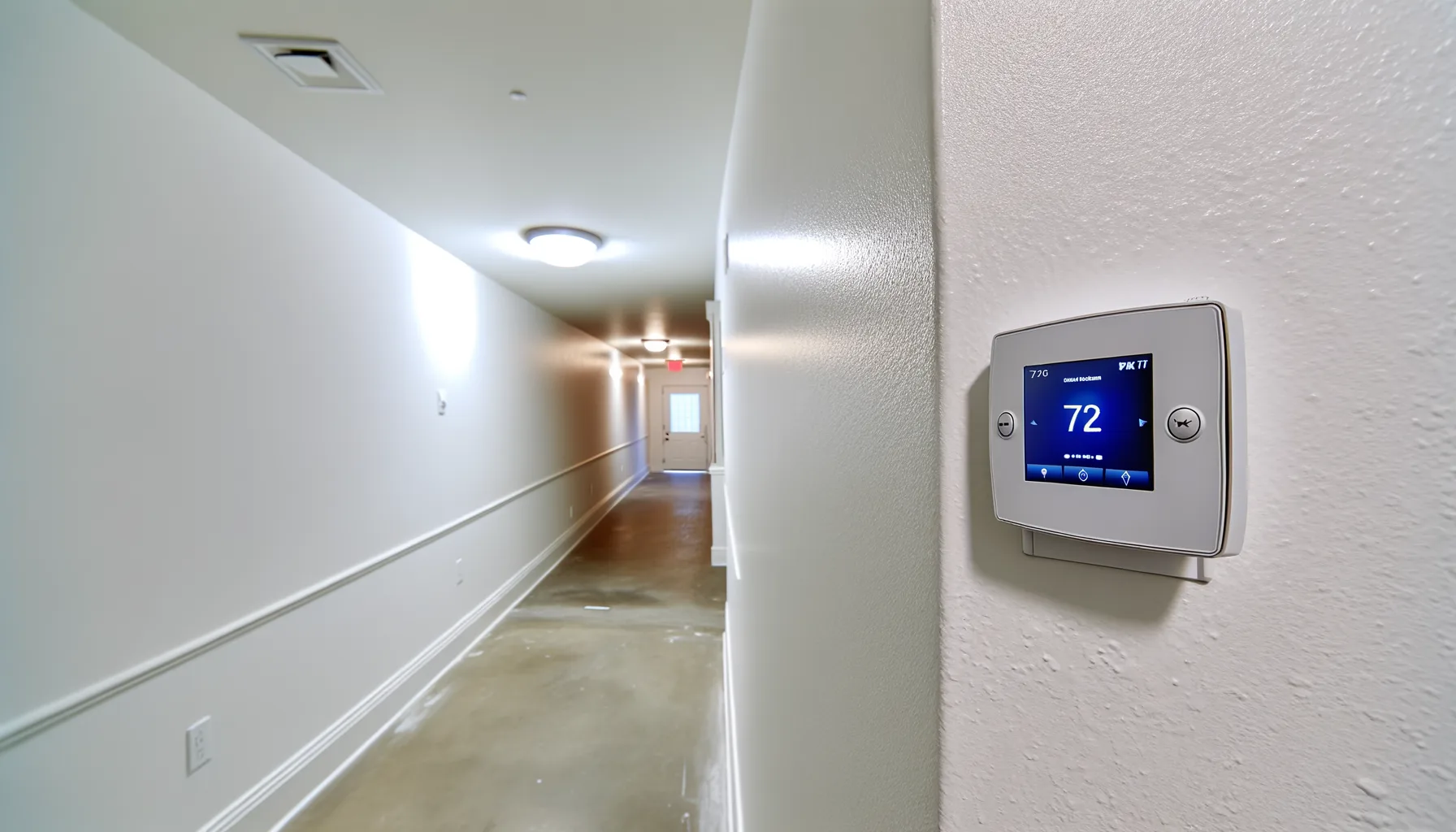
As a Denver homeowner, you’ve likely experienced the rollercoaster of Colorado's weather—one day it's freezing, the next it's warm enough to turn on your air conditioning. Navigating these rapid temperature fluctuations takes more than just adaptable clothing; it requires a well-planned HVAC system that aligns with local building codes. With specific residential standards in place to protect your home from the unique challenges posed by our environment, understanding these laws can make all the difference in maintaining comfort and energy efficiency.
Why This Matters for Denver Homeowners
Understanding Denver’s building codes is crucial for homeowners looking to install, repair, or upgrade their HVAC systems. The local regulations not only affect how systems must be installed but also the materials used, especially in homes built on expansive clay soils that are susceptible to shifts during freeze-thaw cycles. Proper drainage considerations are often mandated, which can increase installation complexity and costs.
Additionally, the local climate presents unique challenges, such as the need for durable units capable of withstanding hail storms and heavy snowmelt in spring. Failure to adhere to these requirements can lead to costly repairs down the road or, worse, system failures that compromise your indoor comfort when you need it most.
Lastly, with Denver’s rapid shift between heating and cooling seasons, timely maintenance is key in extending the lifespan of your HVAC system. Understanding local regulations ensures that you optimize your system’s efficiency, keeping energy costs low and comfort levels high.
Expert Solutions & Actionable Tips
1. Choose the Right HVAC System for Your Home
Denver's diverse architectural styles mean that there’s no one-size-fits-all solution when it comes to HVAC systems. Researching which systems are optimal for your specific type of home can save you on energy bills long-term. Expect to invest between $4,000 to $8,000 for a good quality installation, depending on size and efficiency ratings.
Consult with a local HVAC contractor to determine the best fit—options like high-efficiency furnaces and energy-star-rated air conditioning units can significantly lower your energy costs.
2. Stay On Top of Regular Maintenance
Scheduling annual HVAC check-ups is vital, especially in a city like Denver where weather changes demand constant adjustments. Regular maintenance can cost around $100 to $200 per visit, but this is a small price to pay for the peace of mind knowing your system is prepared for rapid weather changes.
A trained technician can spot potential issues before they escalate, ensuring that your heating and cooling systems function efficiently all year round.
3. Insulate Your Ductwork
With Denver's significant temperature shifts, ensuring that your ductwork is adequately insulated can prevent heat loss. An average insulation project may cost about $150 to $300, depending on the length and complexity of your ducts.
Proper insulation not only improves your system's efficiency but also lowers your energy bills, which can peak during the cold winter months and hot summers.
4. Think Ahead: Seasonal Upgrades
As temperatures fluctuate dramatically between the seasons, consider installing a dual-fuel system that can heat your home more efficiently. Basic dual-fuel systems range from $5,000 to $10,000, but they save money on energy bills over time.
They combine electric heat pumps with gas furnaces, allowing for optimal comfort no matter the weather conditions outside, which is a notable benefit during Denver's chilly winters.
5. Consider Smart Thermostats
Smart thermostats are increasingly popular among Denver homeowners. They allow for remote control of your HVAC systems and can improve efficiency by adapting to your schedule. Installation can cost approximately $150 to $300, but the return on investment through energy savings can be significant.
You may find that you save more than 10% on your heating and cooling bills by using these intelligent systems.
6. Know When to Upgrade Your System
Often, HVAC systems simply need upgrading rather than repair, especially in older Denver homes. Evaluating whether to replace an inefficient system can save you much more over the years in energy costs. An upgrade might cost between $5,000 to $15,000, based on size and complexity.
Keeping an eye on the system's performance and noticing inefficiencies can guide your decision, preventing future stress during extreme weather.
Denver Climate & Local Context
Denver's unique climate requires HVAC systems that can handle sudden temperature variations, including harsh winters and sweltering summers. The local building stock is diverse, featuring homes built on expansive clay soils, which pose challenges like increased foundation movement during freeze-thaw cycles. These inherent risks necessitate additional measures regarding ductwork and drainage systems.
Moreover, local codes dictate specific installation methods and materials for HVAC systems, focusing on energy efficiency and durability. Familiarizing yourself with these regulations is essential for homeowners, as compliance ensures longevity and enhances the safety of your residence.
When to Call a Professional
While some minor HVAC tasks can be handled by an ambitious homeowner, understanding when to involve a professional is crucial. Tasks such as replacing filters, cleaning ducts, or checking batteries in thermostats are often safe for DIY attempts. However, more complex tasks should be reserved for trained professionals.
- Unusual noises or vibrations coming from the HVAC unit
- Frequent system cycling on and off
- Inconsistent temperatures throughout different rooms
- Leaking fluids near your HVAC system
- Foul odors emanating from vents
- High energy bills without explanation
- Failed repairs that require extensive troubleshooting
- Any installation that does not align with local building codes
In these instances, engaging LocalFlow Heating and Cooling would ensure the work complies with Denver regulations, minimizing future issues while maximizing comfort.
Frequently Asked Questions
What can I do about rapid temperature swings affecting my HVAC system?
Investing in a high-efficiency system designed for variable climates can help manage rapid temperature changes while reducing energy costs.
How often should I get my HVAC system maintained?
For Denver homes, a comprehensive maintenance check should be scheduled at least once a year to ensure optimal performance.
Are there specific HVAC regulations I should be aware of in Denver?
Yes, Denver has stringent codes regarding installation and efficiency standards that protect homeowners from potential hazards.
What is the best HVAC system for homes on clay soil?
A variable speed HVAC system can adapt to the shifting pressures of expansive clay soils while maintaining efficiency.
If my HVAC system breaks down, how quickly can it be repaired?
Typically, with a local service like LocalFlow Heating and Cooling, you can expect a response time of 24 hours for most repairs.
Get Expert HVAC Service in Denver
For Denver homeowners navigating the complexities of HVAC regulations and maintenance, LocalFlow Heating and Cooling is your trusted partner. Our team is equipped to give you tailored advice and service that aligns with local building codes. Don't hesitate to reach out today!
Call (720) 713-3532 to schedule a consultation and ensure your home remains comfortable through every season.