HVAC Safety Tips Every Denver Homeowner Should Know
Published: 2026-04-14 · By LocalFlow Heating and Cooling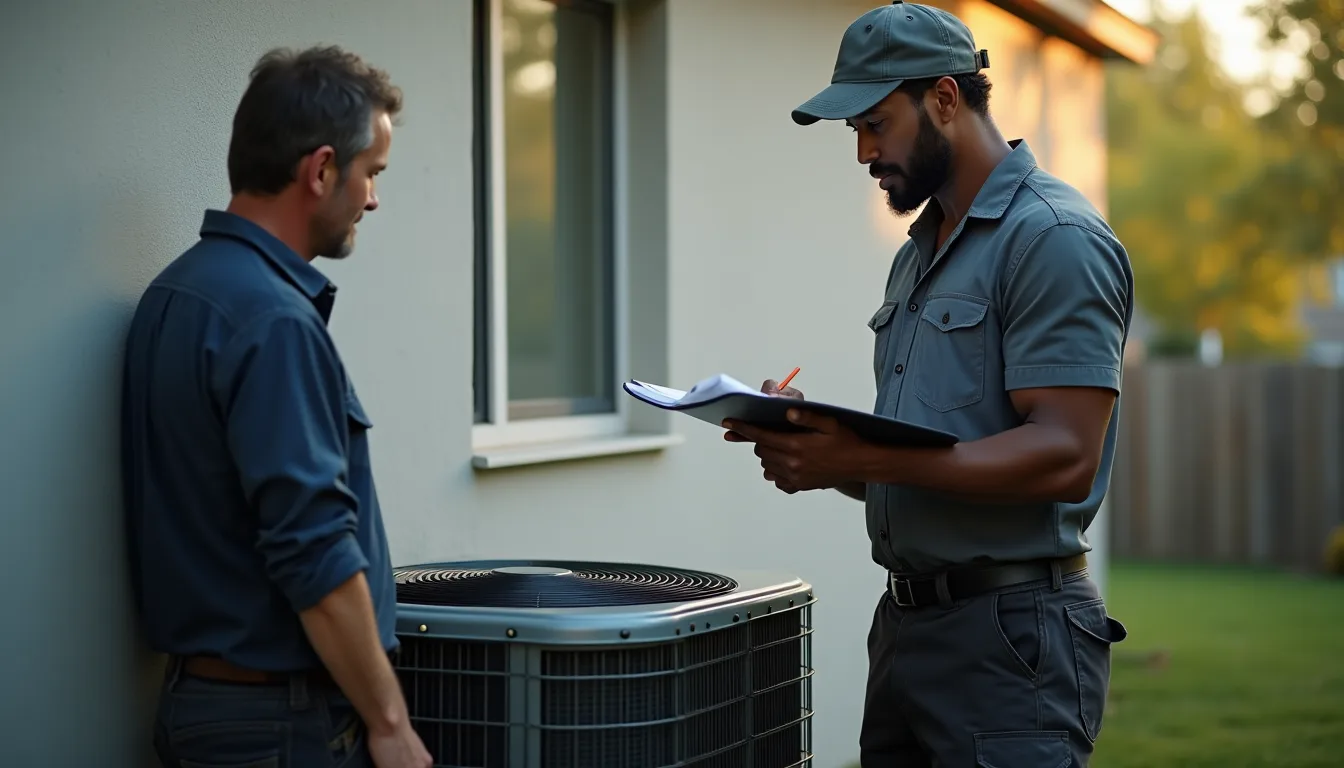
As a homeowner in Denver, you've probably experienced the drastic temperature swings that can make HVAC maintenance feel like a constant race against time. On a sunny day, you might switch your system to cool because the outdoor heat could reach 90°F, but come nightfall, you could be battling a sudden drop to freezing. In such an unpredictable climate, ensuring your heating and cooling systems are safe and efficient is not just important; it’s vital to your family’s comfort and your home’s integrity.
Why This Matters for Denver Homeowners
Denver's unique weather patterns complicate HVAC maintenance. Rapid temperature swings might cause your system to work harder than necessary, leading to potential breakdowns and costly repairs. When temperatures go from freezing to sweltering in a single day, your HVAC unit must compensate, putting undue stress on its components. Moreover, the combination of hail storms and heavy snowmelt during spring can trap moisture around your HVAC unit, presenting fire hazards or even water damage to your home.
It's essential to stay proactive about your home's HVAC system to avoid inconvenience and high repair costs during peak seasons. Always perform seasonal check-ups.
Furthermore, many Denver homes rest on expansive clay soils that pose challenges for structural integrity, especially during freeze-thaw cycles in spring. Neglecting the impact of your HVAC system's drainage could lead to significant structural damage over time, negatively affecting your property value.
Expert Solutions & Actionable Tips
1. Establish an Annual Maintenance Schedule
Regular upkeep is crucial for HVAC longevity, especially in Denver's fluctuating climate. Consider scheduling maintenance twice a year: once before summer to prepare your air conditioner and once before winter for your heating unit. Expect to pay around $100 to $200 for each service visit, which will typically include a thorough inspection of all major components, cleaning, and optimization of your system’s efficiency.
LocalFlow Heating and Cooling offers maintenance packages that can help keep track of these dates, ensuring that your systems operate smoothly throughout the year.
2. Inspect and Clean Ductwork Regularly
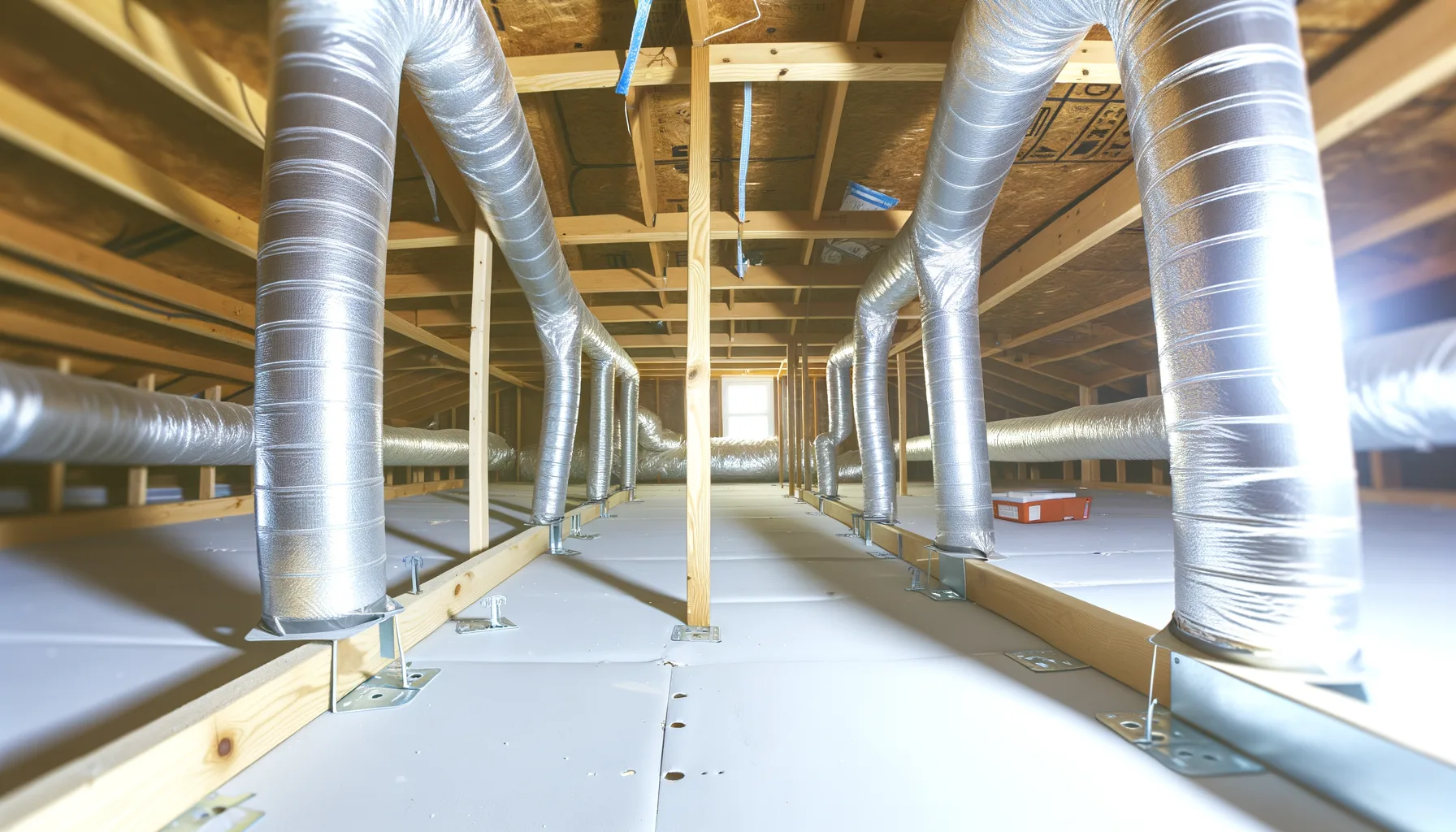
Your HVAC system relies heavily on clean ductwork. In Denver, dust and allergens can easily clog ducts, exacerbating health issues and reducing efficiency. Schedule duct cleaning every 3-5 years, with costs averaging between $300 and $500 for homes like yours. This proactive step not only improves air quality but may also help lower your heating and cooling bills.
Keep an eye on air filters too; they should be replaced every 1-3 months to maintain optimal airflow.
3. Invest in a Smart Thermostat
Switching to a smart thermostat can lead to significant energy savings, particularly with Denver's variable temperatures. These devices can adjust the temperature automatically based on your habits, potentially reducing heating and cooling costs by 10-15%. Units typically range from $100 to $250, and installation might cost an additional $50.
By programming your thermostat to align with Denver’s unpredictable weather, you can maintain comfort without overspending on energy bills.
4. Seal Leaks Around Windows and Doors
Drafts can significantly affect HVAC efficiency in Denver homes. Inspect windows and doors for leaks and consider applying weather stripping or caulking to seal gaps. The costs for materials are relatively low, with two tubes of caulk averaging $10-$20 and weather stripping costing about the same. Sealing these leaks can keep your home warm in winter and cool in summer, providing year-round comfort.
Not only do these small fixes enhance comfort, but they also help in reducing energy costs.
5. Monitor Indoor Humidity Levels
Indoor humidity can influence both HVAC performance and comfort. In Denver, aim for relative humidity levels between 30% and 50%. High humidity can cause condensation and promote mold, while low humidity can lead to dry skin and respiratory issues. Investing in a dehumidifier or humidifier ranges from $30 to $300, depending on capacity.
Knowing your humidity levels throughout the year allows you to maintain a healthy and comfortable atmosphere indoors.
6. Prepare for Storms with Adequate Drainage Solutions
Denver experiences heavy snowfall and hail that can overwhelm inadequate drainage systems. Ensure your HVAC unit is elevated and has appropriate drainage solutions to prevent flooding and subsequent damage. Costs for installing drainage might range from $150 to $500, depending on the complexity of the system required.
Proactive drainage measures safeguard not only your HVAC system but also your entire home’s foundation during intense weather events.
Denver Climate & Local Context
Denver’s climate is notorious for its rapid temperature fluctuations and heavy snowfall that can significantly impact your living space. Homes here are often built on expansive clay soils, which expand and contract dramatically due to moisture changes. This can lead to structural issues if not properly managed. Your HVAC system must not only perform efficiently under these circumstances but also comply with local building codes regarding ventilation and drainage systems.
Denver's municipal regulations mandate periodic inspections and specific permits for HVAC installations or modifications. Familiarizing yourself with local guidelines ensures that your systems won't just work well but also meet safety standards.
When to Call a Professional
Knowing when to call a professional rather than attempting a DIY fix can save you time and stress. While minor maintenance, like changing filters, is straightforward, major issues often require a trained technician. Symptoms that necessitate calling LocalFlow Heating and Cooling include:
- Unusual noises from the unit
- Consistent cycles of heating/cooling without temperature change
- Unpleasant odors emitting from vents
- Increased energy bills without explanation
- Visible water pooling around the HVAC unit
- Age of the unit exceeds 10-15 years
Assessing these red flags promptly can prevent further damage and extend the life of your HVAC system.
Frequently Asked Questions
What is the average lifespan of an HVAC system in Denver?
HVAC systems typically last between 10-15 years in Denver, depending on maintenance and climate stress. Regular check-ups can significantly extend their lifespan.
How often should I replace my HVAC air filter?
In Denver’s dry climate, it's advisable to replace or clean your air filter every 1-3 months to maintain efficiency and air quality.
What are the signs that my HVAC system needs repairs?
Signs include unusual noises, fluctuating temperatures, and rising energy bills. If you notice any, it’s wise to contact a professional immediately.
Can I perform HVAC maintenance myself?
While routine tasks like changing filters can be done by homeowners, it's best to leave complex maintenance to professionals in Denver.
Are there any specific HVAC permits required in Denver?
Yes, installing or renovating HVAC systems in Denver usually requires a permit. Check local regulations before proceeding.
Get Expert HVAC Service in Denver
Your HVAC system plays a crucial role in maintaining a comfortable home amidst Denver's unpredictable climate. Regular maintenance is key to avoiding costly repairs and ensuring your family's comfort. Don't hesitate to reach out to LocalFlow Heating and Cooling for a professional assessment.
Contact us at (720) 713-3532 today to ensure your HVAC systems are safe and efficient, ready for whatever weather Denver throws your way!