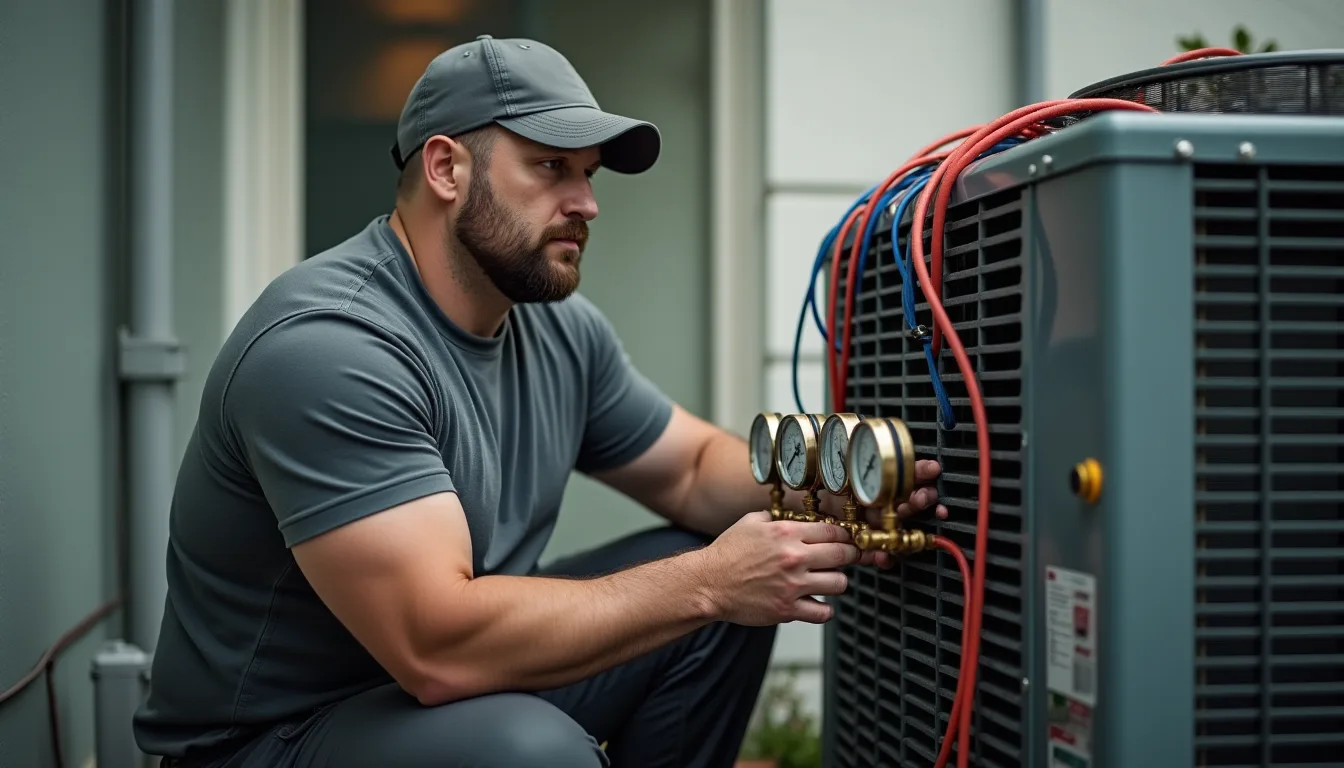
How to Prepare Your Home for HVAC Service
Published: 2026-04-14 · By LocalFlow Heating and Cooling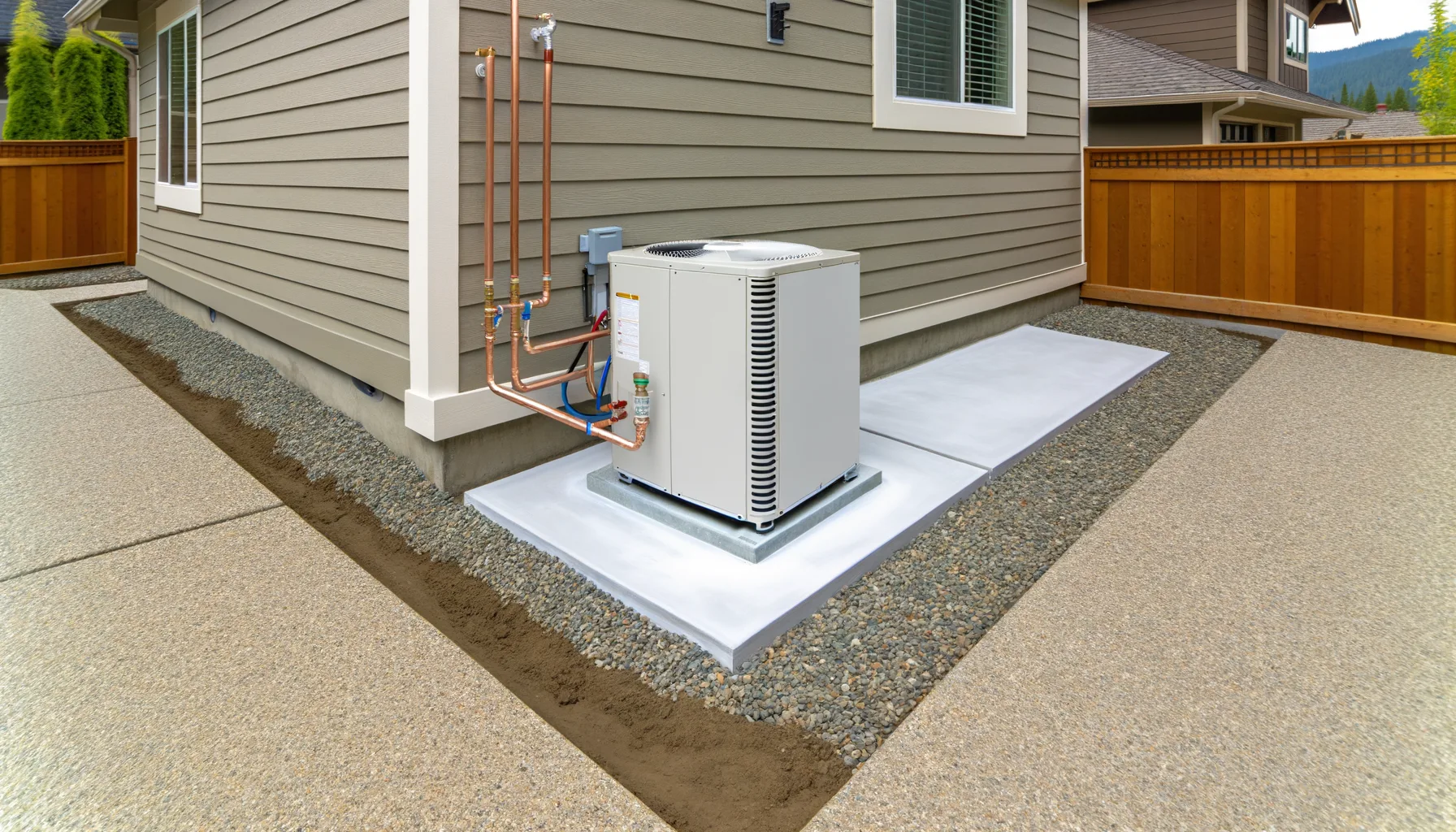
As the seasons shift in Denver, homeowners face the challenge of rapidly changing weather — one day you're basking in the sunshine, and the next, you're fending off a surprise hailstorm. With these extreme temperature fluctuations, keeping your HVAC system in prime condition is not just smart; it's essential. But preparing your home for that necessary HVAC service often feels like an overwhelming task. How do you ensure everything is in place before the technicians arrive? This guide will provide you with the insights you need to navigate this process effectively.
Why This Matters for Denver Homeowners
With Denver's unique climate and conditions, HVAC service requires special consideration. Rapid temperature swings can put significant strain on your HVAC system, leading to unexpected breakdowns. Furthermore, the properties here are often built on expansive clay soils, which can create drainage issues impacting your HVAC components, especially in heavy snowmelt seasons. Failing to prepare your home can result in prolonged downtime for your heating or cooling, leaving you uncomfortable and stressed.
During spring, freeze-thaw cycles can further complicate matters. These cycles not only affect your home’s structure but also your HVAC system’s functionality. If water accumulates improperly during the thaw, it could seep into sensitive equipment, causing costly repairs. Thus, understanding the local context is essential to preparing your home.
The HVAC system's efficiency directly impacts your energy bills. A poorly maintained unit can lead to higher energy costs, so proactive measures are key to keeping your budget in check.
Expert Solutions & Actionable Tips
1. Check Your Filters
Before any scheduled service, ensure you check and replace your HVAC filters. Clogged filters reduce airflow and can lead to overheating in summer or reduced heating efficiency in winter. Expect to spend about $10-$30 on quality filters, and make it a habit to check them every month, especially during peak seasons.
2. Clear the Area Around Your Outdoor Unit
Your outdoor HVAC unit should be free from debris like leaves, snow, and ice, especially after a heavy snowmelt. This allows for proper airflow and maintains efficiency. If you foresee a hailstorm, consider draping a tarp over it when not in use. This minor effort can prevent significant repairs down the line. Some homeowners spend about $50 for protective covers.
3. Inspect Inside Vents and Registers
Check that vents and registers in your home are not blocked by furniture or clutter. This could decrease your system’s efficiency and create uneven heating or cooling. A quick reorganization could rectify this. If you're looking for clarity, hiring a local handyman may cost around $75 for an hour's work.
4. Seal Gaps in Ductwork
Inspect your ductwork for any gaps or leaks. According to the Department of Energy, a well-sealed duct system can improve efficiency by up to 20%. You can consider DIY duct tape solutions if you notice small leaks, but for larger issues, calling in a local contractor for about $200 may save you more in the long run.
5. Prepare for Seasonal Tune-Ups
Schedule a seasonal tune-up with a local HVAC specialist like LocalFlow Heating and Cooling. They typically charge between $100 and $200 for comprehensive maintenance checks. Coordinating this for early spring can prevent emergencies when the weather is at its most unpredictable.
6. Monitor Your Thermostat
Check the calibration of your thermostat to ensure accurate readings. Consider investing in a smart thermostat, which usually costs around $150-$300 but can significantly impact your energy efficiency. In a climate like Denver's, a properly functioning thermostat is a smart way to monitor your home environment efficiently.
Denver Climate & Local Context
Denver's climate can be easily characterized by its unpredictable swings, leading to unique challenges for HVAC systems. The area experiences harsh winters and scorching summers, meaning that your heating and cooling needs are versatile and constant. With heavy snowmelt during spring, efficient drainage becomes critical, especially in many neighborhoods with homes built on expansive clay soils.
Furthermore, understanding local building codes and permit requirements can save you from unnecessary complications during installation or major repairs. The city often mandates specific standards to ensure HVAC systems are optimally positioned to avoid weather-related issues. Being aware of these specifics can facilitate compliance and improve system performance.
When to Call a Professional
Deciding whether to take a DIY approach or call a professional can be paramount for Denver homeowners. Routine maintenance tasks like replacing filters or clearing debris can certainly be handled by a homeowner. However, there are clear signs when you should seek a professional's expertise.
- Unusual noises coming from the HVAC unit.
- Heating or cooling that is inconsistent or completely ineffective.
- Increased energy bills without an explanation.
- Water pooling around your HVAC system.
- Faulty thermostat readings.
- Age of the unit exceeds 10-15 years without a replacement.
If you encounter any of these issues, it’s crucial to contact LocalFlow Heating and Cooling immediately. They can provide a detailed assessment and any necessary repairs to keep your system running optimally.
Frequently Asked Questions
What is the average cost for HVAC maintenance in Denver?
Typically, HVAC maintenance costs in Denver range between $100 and $200 per service visit, depending on the complexity of the work needed.
How often should I schedule HVAC services?
In Denver, it’s advisable to service your HVAC system at least twice a year – once in spring and once in fall – to prepare for the extreme seasonal changes.
Can LocalFlow Heating and Cooling handle emergencies?
Yes! LocalFlow Heating and Cooling provides emergency services for HVAC breakdowns, ensuring you’re not left without heating or cooling during critical times.
What should I do if my HVAC unit is leaking water?
If you observe water leaking from your HVAC unit, it’s essential to turn off the system immediately and contact a professional, as this could indicate serious issues with the drainage system.
Are there any tax credits for energy-efficient HVAC systems in Colorado?
Yes, homeowners in Colorado may qualify for tax credits when upgrading to energy-efficient HVAC systems. It’s a good idea to consult with a tax professional for specific eligibility.
Get Expert HVAC Service in Denver
Preparing your home for HVAC service is more than just a checklist; it's about ensuring your comfort year-round in the dynamic Denver climate. For tailored advice and reliable service, reach out to LocalFlow Heating and Cooling today. Their team is equipped to handle all your HVAC needs, protecting your home from the unpredictable weather ahead.
Don't wait for an emergency! Call (720) 713-3532 to schedule your HVAC service and safeguard your comfort.