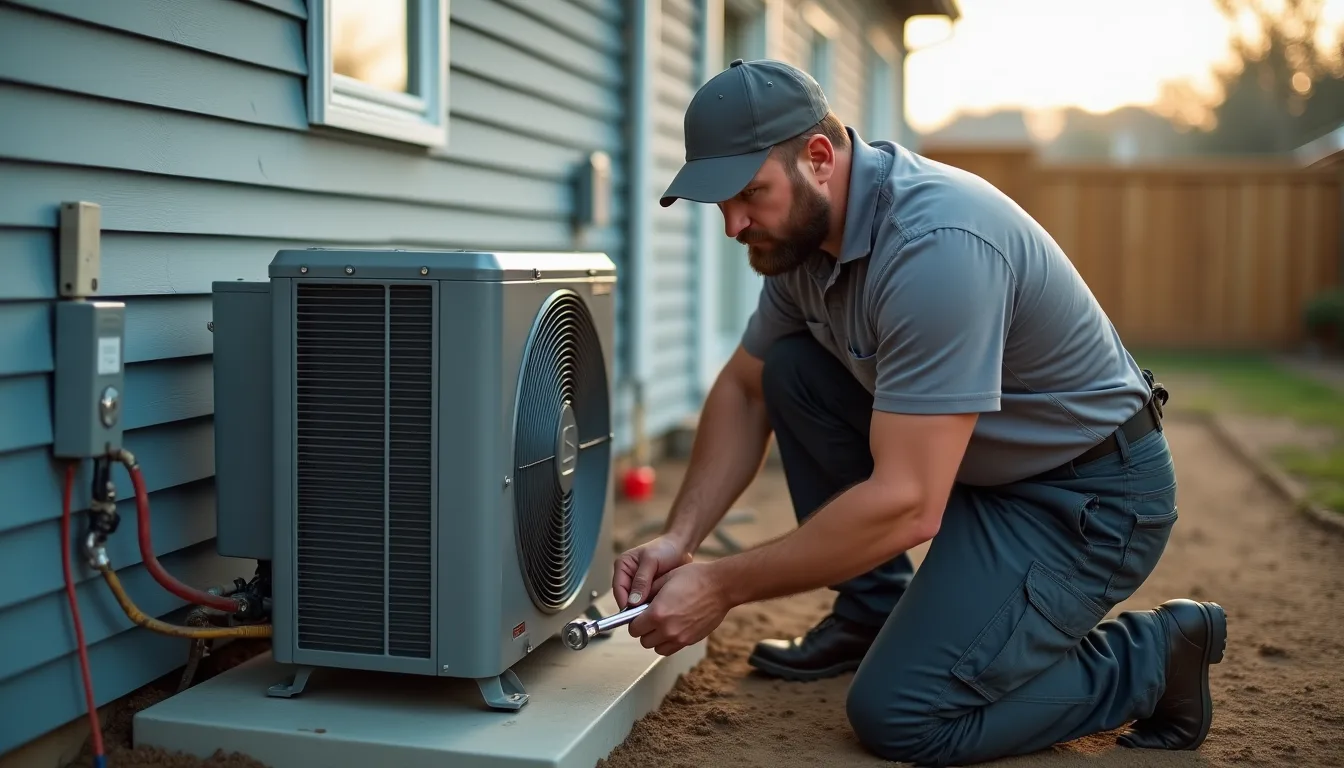
Comparing HVAC Services: What to Look For in 2026
Published: 2026-04-14 · By LocalFlow Heating and Cooling
Winter in Denver can be brutal, with temperatures plummeting overnight only to backtrack into the mid-50s a few days later. Such rapid shifts can strain your HVAC system in unexpected ways. How can you prepare for these swings in 2026? Understanding the landscape of local HVAC services is crucial. Choosing the right provider involves more than just picking up the phone; it requires understanding what to expect in terms of maintenance, efficiency, and emergency response specifically tailored to Denver's unique climate.
Why This Matters for Denver Homeowners
Denver homeowners often underestimate how local weather patterns directly influence heating and cooling requirements. Rapid temperature changes, frequent snowmelt, and potential hail storms can cause wear and tear on HVAC systems, making high-quality service essential. Many homes here are built on expansive clay soils, creating drainage challenges that can lead to additional HVAC issues if not addressed promptly.
For instance, improper drainage can lead to compressor failure, which could cost you a significant amount for repairs or replacements. Additionally, during freeze-thaw cycles, pipes and ducts may expand and contract, contributing to inefficient systems that hike up energy bills. Understanding HVAC solutions specific to these Denver weather realities is vital for safeguarding your comfort and your investment.
Tip: Stay proactive. Regular maintenance checks can prevent costly repairs, especially in the spring when freeze-thaw cycles ramp up.
Expert Solutions & Actionable Tips
1. Regular Maintenance Checks
Scheduling semi-annual inspections, ideally before winter and summer, can dramatically extend the life of your HVAC system. Most local technicians charge between $70 and $120 for this service, helping you catch issues before they escalate. Spring inspections are particularly important in Denver due to potential piping damage from the freeze-thaw cycles, and most providers can schedule an appointment within a week.
2. Upgrading to Energy-Efficient Systems
Consider upgrading to an ENERGY STAR-certified HVAC system, especially if your existing unit is over ten years old. Such systems typically reduce your energy bills by 20% to 50%. LocalFlow Heating and Cooling offers various financing options, making it feasible over 12 to 24 months. The initial investment of $3,500 to $6,500 will pay off in the long run, contributing to energy conservation.
3. Regular Filter Changes
Changing your air filters is a simple yet effective task that can improve your system’s efficiency. Filters should typically be replaced every 1-3 months, depending on use. In Denver, where allergens from pollen and dust are prevalent, a quality filter can cost around $15. This small investment can significantly improve indoor air quality and reduce the workload on your HVAC system.
4. Understanding Local Codes
Before any HVAC installation or significant repair, familiarize yourself with Denver's building codes, especially concerning permits. For example, any major HVAC alteration requires a permit from the city, which might take up to two weeks to process. Failing to comply can lead to fines or revisit obstacles in future renovations.
5. Monitoring Energy Savings
Don't just install new equipment; actively monitor your energy consumption. Many modern thermostats have energy-reporting features. In Denver, installing a smart thermostat can lead to savings of $100 annually on utility bills. LocalFlow Heating and Cooling can assist you in selecting a model that fits your lifestyle while maximizing savings.
6. Emergency Services Awareness
Ensure that your HVAC provider offers 24/7 emergency services, especially during winter when failures can pose serious risks to home safety. Response times may vary, but reputable companies in Denver typically assure service within a two-hour window. Knowing who to call when disaster strikes can save you from additional stress during harsh weather conditions.
Denver Climate & Local Context
Denver's climate is characterized by rapid temperature fluctuations; winters can be snowy and cold, while summers can turn quite warm. Homeowners must remain vigilant about HVAC upkeep as heavy snowmelt impacts groundwater levels, which in turn affects air quality and unit lifespans. Moreover, the prevalence of clay soils requires thoughtful landscaping and drainage solutions, especially when positioning HVAC units.
Code and permit considerations are relayed through the Denver Building Department, emphasizing the importance of hiring licensed contractors familiar with these regulations. Ignoring these directives can result in costly retroactive work and could compromise the effectiveness of your HVAC unit.
When to Call a Professional
While many small HVAC repairs can be managed independently, some tasks require professional skills due to the technical understanding required. Homeowners should feel empowered to tackle routine jobs such as changing filters or managing thermostat settings; however, for anything complex, a professional technician is recommended.
- Age of the HVAC system exceeds 10 years.
- Visible refrigerant leaks around the unit.
- Unusual sounds or smells emanating from vents.
- Inconsistent temperature across rooms.
- Higher than normal energy bills without clear explanation.
- Unresponsive or incompatible thermostat.
Recognizing when to call in an expert can save not only a lot of frustration but also unnecessary expenditures if small issues escalate.
Frequently Asked Questions
How can rapid weather changes impact my HVAC system?
Rapid weather changes can lead to increased wear and tear on HVAC components, requiring more frequent servicing to ensure optimal performance and energy efficiency.
What HVAC features are especially beneficial in Denver?
In Denver, systems with variable-speed motors provide better humidity control and greater efficiency, making them ideal for rapid temperature changes.
What is the cost of HVAC repairs in Denver?
HVAC repairs in Denver typically range from $100 for minor jobs to over $2,000 for major repairs or complete system replacements, depending on the issue.
What permits are needed for HVAC installation?
In Denver, permits are required for any major HVAC work, ensuring compliance with local building codes, which often take two weeks to obtain.
When should I perform HVAC maintenance?
Best practice suggests scheduling maintenance checks at least twice a year, ideally in spring and autumn to prepare for seasonal weather changes.
Get Expert HVAC Service in Denver
Feeling overwhelmed by the complexities of HVAC in Denver? LocalFlow Heating and Cooling is your trusted source for tailored HVAC services, ready to assist you with all your heating and cooling needs. Don’t hesitate to call (720) 713-3532 for a consultation today!
Ensuring that your home remains comfortable throughout the varied Denver seasons is what we do best.