Common HVAC Problems in Denver Homes and How to Fix Them
Published: 2026-04-14 · By LocalFlow Heating and Cooling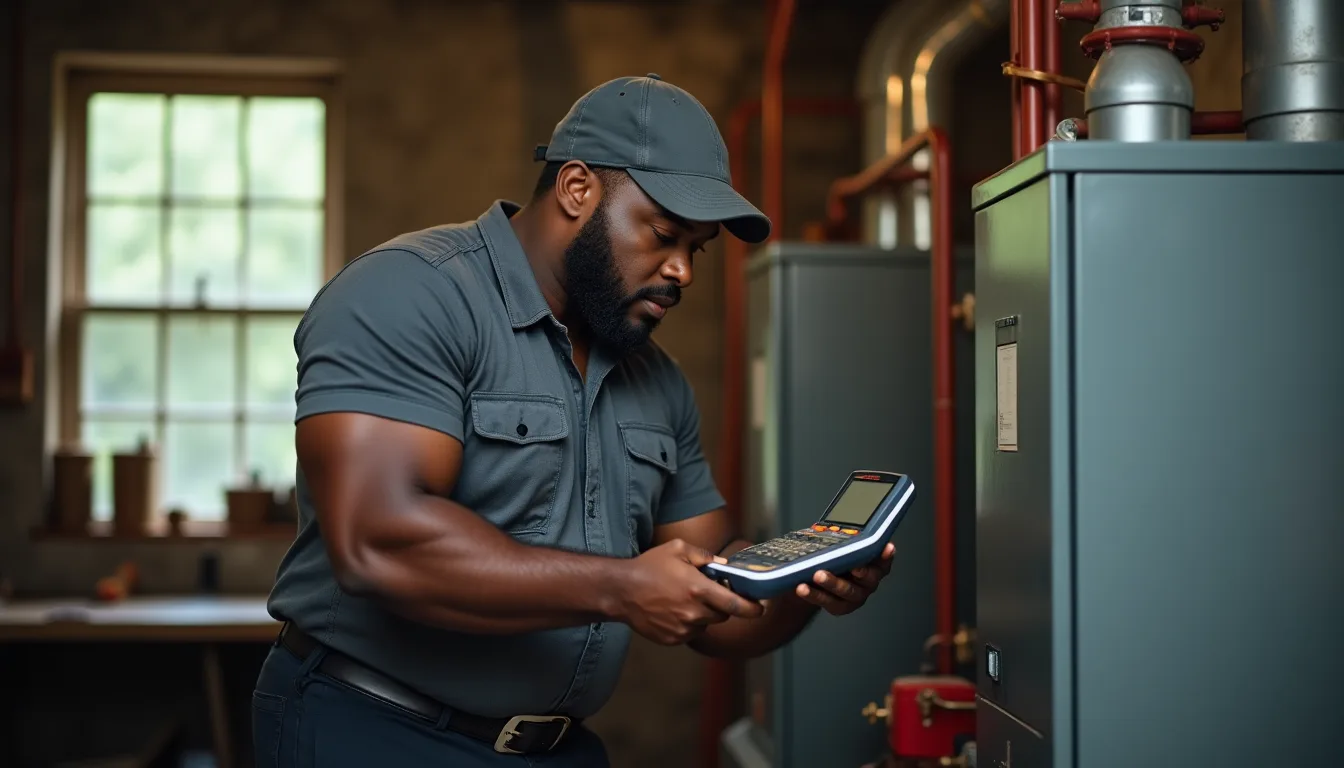
Imagine waking up on a sunny Denver morning only to realize that your heating system isn't working, leaving you shivering just when you least expect it. The extreme temperature changes in Denver can wreak havoc on your HVAC systems, turning minor issues into major headaches. With the rapid climate shifts, hail storms, and heavy snowmelt in spring, Denver homeowners must be vigilant about their heating and cooling systems. Understanding common HVAC problems and their solutions can save you from discomfort and costly repairs down the road.
Why This Matters for Denver Homeowners
The dramatic temperature swings in Denver can lead to numerous HVAC issues that often catch homeowners off guard. For instance, during the winter months, the freeze-thaw cycles can cause pipes to expand and contract, leading to ruptures that compromise your heating system. Additionally, hail storms common in late spring can damage outdoor units, rendering them ineffective when you need them most. Understanding these vulnerabilities is essential for ensuring a comfortable home environment year-round.
Moreover, homes built on expansive clay soils face unique challenges. These soils can shift dramatically, affecting the integrity of HVAC ductwork and the overall system functionality. Without proper drainage and installation, the systems can struggle, leading to inefficiencies and costly repairs. It's crucial for homeowners to be proactive and address these potential pitfalls before they escalate.
Tip: Regular maintenance checks are vital for avoiding unexpected HVAC problems.
Expert Solutions & Actionable Tips
1. Regular Maintenance Checks
For many homeowners in Denver, committing to biannual maintenance is key. Setting aside around $100-200 for a professional HVAC inspection every spring and fall can dramatically extend the life of your unit. Regular cleaning of filters and timely checks of refrigerant levels will not only improve efficiency but can also save you from more substantial repair costs in the future.
2. Understanding Filter Replacement Needs
Air filters should be changed every 1-3 months, depending on usage and air quality. In Denver, with its elevation and pollen, it's advisable to opt for high-efficiency filters. The cost for filters is relatively low, typically $15-30, but neglecting them can lead to reduced system efficiency and costly repairs.
3. Dealing with Unusual Humidity Levels
The unique climate in Denver can lead to sudden humidity spikes. Consider installing a whole-home dehumidifier, which can range from $1,500 to $3,000. This investment helps in maintaining indoor air quality, reducing the risk of mold growth, and prolonging the life of your HVAC system.
4. Uncovering Ductwork Issues
Leaky ductwork can dramatically reduce HVAC efficiency, especially in older Denver homes. If you notice uneven heating or cooling, invest about $300-700 to have your ducts sealed. Proper sealing can improve efficiency and reduce your energy bills significantly.
5. Understanding Thermostat Calibration
A malfunctioning thermostat can lead to substantial temperature discrepancies within your home. If you notice fluctuations, consider a smart thermostat, costing between $150-300 plus installation. This could enhance your system's efficiency and ensure that your home remains comfortable.
6. Repairing Outdoor Units After Hail
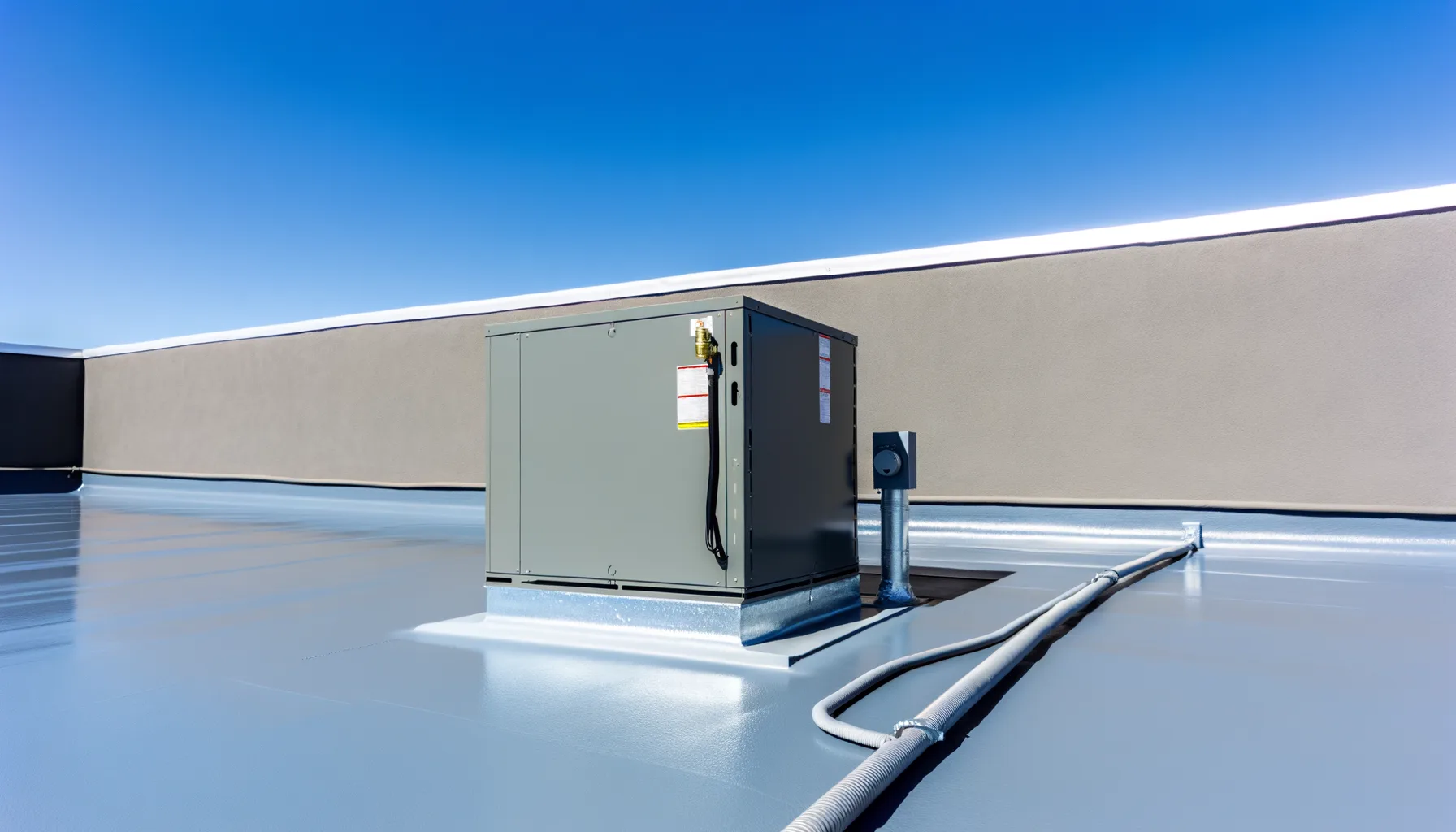
Damaging hail can compromise outdoor units, which is common during Denver's spring storms. Regularly inspect your units and consider investing in hail guards, which may cost around $200-500. Prompt repairs or replacements can prevent costly system failures when you need cooling most.
Denver Climate & Local Context
Denver's climate poses unique challenges for homeowners, especially with the rapid temperature swings experienced throughout the year. The around 300 days of sunshine can lure people into a false sense of security, but severe weather can strike at any moment, leading to problems if HVAC systems aren't properly maintained. In addition, houses built on expansive clay soils often require specific drainage measures, particularly during spring when snowmelt and rain can lead to pooling water. Understanding local codes and ensuring that installations comply with regulations is essential for long-term performance.
Additionally, knowing whether your building's state requires permits for certain HVAC modifications can save you from potential fines. Denver has regulations in place to ensure that systems operate efficiently and safely, ensuring low environmental impact while providing reliable heating and cooling solutions.
When to Call a Professional
When assessing whether to tackle HVAC issues independently or seek professional help, consider the complexity of the problem at hand. Simple tasks like changing air filters can be DIY, but more complex issues may need expert intervention. Some signs may indicate a need for professional assistance, including the following:
- Frequent system cycling
- Strange noises from the unit
- Unexplained spikes in energy bills
- Inconsistent temperatures throughout the home
- Moisture or leaks around the system
- Older systems needing extensive repairs
In situations where you feel uncomfortable or lack the expertise, don't hesitate to reach out to a professional HVAC service like LocalFlow Heating and Cooling. Early intervention can often save significant time and cost.
Frequently Asked Questions
What is the average lifespan of an HVAC system in Denver?
Typically, an HVAC system in Denver lasts between 15 to 20 years, but this can heavily depend on regular maintenance and usage.
How often should I schedule HVAC maintenance checks?
It's advisable to schedule maintenance checks twice a year, once in spring and once in fall, to prepare for the seasonal changes.
What are common HVAC issues faced by Denver residents?
Common issues include temperature imbalances, frozen pipes during winter months, and damage from hail storms in early summer.
Is there a specific air filter type recommended for Denver's altitude?
High-efficiency particulate air (HEPA) filters are often ideal for Denver, as they can help deal with the unique air quality challenges.
How can I tell if my HVAC system is overworked?
Signs of an overworked system include unusual noises, frequent cycling on and off, and rising energy bills.
Get Expert HVAC Service in Denver
If you’re facing HVAC issues or want to ensure your system is ready for Denver’s unique weather challenges, don’t hesitate to call (720) 713-3532. LocalFlow Heating and Cooling is here to help you enjoy a comfortable home, regardless of what Mother Nature throws our way.
Take proactive steps today to ensure your HVAC system operates at peak efficiency, protecting both your comfort and your investment.